When severe rainstorms roll through, water leaking around your windows or patio doors can feel like a nightmare. Most homeowners immediately assume the glass seals have failed, the frame has warped, or the caulking on the exterior siding has deteriorated. However, the true culprit is often much simpler and far easier to fix: clogged weep holes.
Understanding how your windows and doors manage water- and keeping their drainage pathways clear, is one of the most effective preventative home maintenance tasks you can perform.
How Window & Door Drainage Systems Work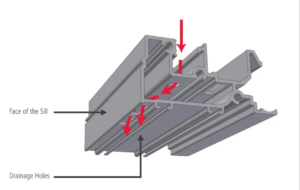
Modern vinyl, fiberglass, aluminum, and composite windows (especially sliding, single-hung, and double-hung styles), as well as sliding glass patio doors, are engineered with a built-in water management system.
Rather than trying to keep every single drop of water out, these units expect wind-driven rain to enter the bottom horizontal track. The bottom sill features an angled channel designed to collect this water and safely route it back outside through small rectangular slots or round openings near the bottom exterior base. These external drainage exits are called weep holes.
When this system functions correctly, heavy rain enters the track and drains out immediately without ever touching your drywall, trim, or subflooring.
What Happens When Weep Holes Get Clogged?
Over time, your window tracks become a collection zone for dust, pollen, dead insects, lawn clippings, spider webs, and windblown dirt. When it rains, this loose debris mixes with water and can cause blockages to the weep holes.
During a storm, the sequence of events usually plays out like this:
- Water Enters the Track: Heavy rain hits the glass and runs down into the bottom sill track as designed.
- The Drain Path Blocks: Debris buildup slides into the interior weep slots, acting like a cork.
- The Track Fills Up: Unable to escape outside, rain rapidly accumulates inside the narrow track sill.
- Water Overflows Indoors: The water rises past the interior lip of the frame, spilling over onto your window sills, baseboards, drywall, and hardwood flooring.
Because the water appears inside, it looks like a major window failure when it is actually just a backed-up drain.
How to Clean Your Weep Holes
- Locate the Drainage Slots: Open the window sash or sliding door fully. Look inside the bottom track for small rectangular slots cut into the vinyl or metal frame. Next, step outside and find the matching exterior weep hole flaps or openings near the bottom frame border.
- Vacuum the Track Base: Before introducing water, use a shop vac or vacuum crevice attachment to remove dry dirt, dead bugs, and loose debris from the interior track. This keeps you from pushing dry dirt deeper into the drainage channels.
- Clear Clogged Passageways: Use a soft-bristled toothbrush to scrub caked-on dirt away from the interior slots. Next, insert a flexible zip-tie, a plastic wire, or a straightened paperclip through the exterior weep hole slot, working it back and forth to clear out stuck debris. Avoid using sharp tools like screwdrivers or knife blades, which can scratch frame coatings or strip protective sealant.
- Perform the Flush Test: Pour a small cup of clean water directly into the interior track sill. Watch the exterior weep holes. The water should immediately stream out onto the exterior sill. If it pools or trickles out slowly, repeat the clearing process until it flows freely.
Two Mistakes to Avoid
- Never caulk them shut: Some people think weep holes are air leaks and fill them with caulk or foam. Doing this guarantees your windows will flood the house during the next heavy rain.
- Check for paint: If you recently painted your siding or trim, double-check that paint didn’t accidentally seal the tiny drain flaps shut.
Ready for New Windows? Contact Olson Windows
While simple maintenance like clearing weep holes is a great DIY task, keep in mind that Olson Windows is strictly an installation and replacement contractor – we do not perform small repairs, glass-only fixes, or handyman work. However, if your windows are old, damaged, or simply ready to be replaced, our team is here to help you upgrade to modern, high-performance options.
Contact us today or visit our local showroom to explore our full selection of replacement windows and doors!