
During harsh Chicagoland winters, ice dams are a common and frustrating sight for homeowners. With freezing temperatures, snow accumulation, and fluctuating weather, many roofs are put to the test. While ice damming itself is a weather-related condition and not something a contractor can simply “fix” on demand, the damage it can cause is very real.
Understanding how ice dams form and what they can do to your home can help you know when to monitor the situation and when it’s time to call a professional.
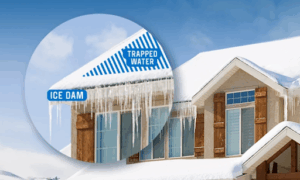
What Is Ice Damming?
Ice dams form when snow on a roof melts and refreezes at the colder edges, typically along the eaves. This often happens due to heat loss from the attic, uneven roof temperatures, or poor ventilation. As melting snow refreezes, it creates a ridge of ice that prevents proper drainage. Water then backs up behind the ice dam and has nowhere to go except under shingles and into your home. Ice dams are a natural result of winter conditions and not a sign of defective roofing materials or installation. However, that doesn’t mean they’re harmless.
The Risks Of Ice Damming
When water is trapped behind an ice dam, it can lead to a range of issues, some of which may not be immediately visible.
- Roof and Shingle Damage
Prolonged moisture can work its way beneath shingles, loosening or damaging them over time. Once shingles are compromised, your roof becomes far more vulnerable to future leaks, even after the ice has melted. - Water Intrusion and Interior Leaks
As water backs up, it can seep into the roof deck and insulation, eventually making its way into ceilings and walls. Stains, bubbling paint, and active leaks are all signs that water has entered the home. - Rotting Wood and Structural Concerns
Repeated freeze-thaw cycles combined with trapped moisture can lead to rotting roof decking, fascia, and soffit boards. Left unaddressed, this can weaken the roof structure and increase roof replacement costs. - Gutter and Downspout Damage
The weight of ice dams can pull gutters away from the home or cause them to bend and crack, creating additional exterior repair needs once winter ends.
When Ice Damming Becomes a Roofing Issue
In many cases, ice dams melt without causing lasting damage. However, if you experience recurring leaks, visible interior water damage, sagging roof areas, or deteriorated shingles, it may be an indication that your roof has been compromised.
Olson Windows Is Here To Help
While ice dam prevention and removal fall under homeowner maintenance, Olson Windows, Doors, Siding, and Roofing specializes in what comes next if damage has occurred. If an inspection reveals that your roof has sustained significant wear or water-related damage, our experienced team can assess whether repair or full new roof installation is the best long-term solution.
We install high-quality roofing systems designed to withstand Midwest weather and help protect your home for years to come. From thorough inspections to expert installation, we’re here to provide clear guidance and reliable workmanship when it matters most.
Looking Ahead
The best defense against ice dam damage is proper insulation, ventilation, and a durable roofing system. If this winter has exposed weaknesses in your roof, spring is the perfect time to address them. If you suspect your roof has been impacted, contact Olson Windows, Doors, Siding, and Roofing.